

THE ETHICS AND LIMITS OF AI IN SERMON PREPARATION

Dr. John Hill, Editor & CEO
(Hill, John. “The Ethics and Limits of AI in Sermon Preparation.” Ministry and Meaning, March 2026. www.jhillworks.com)
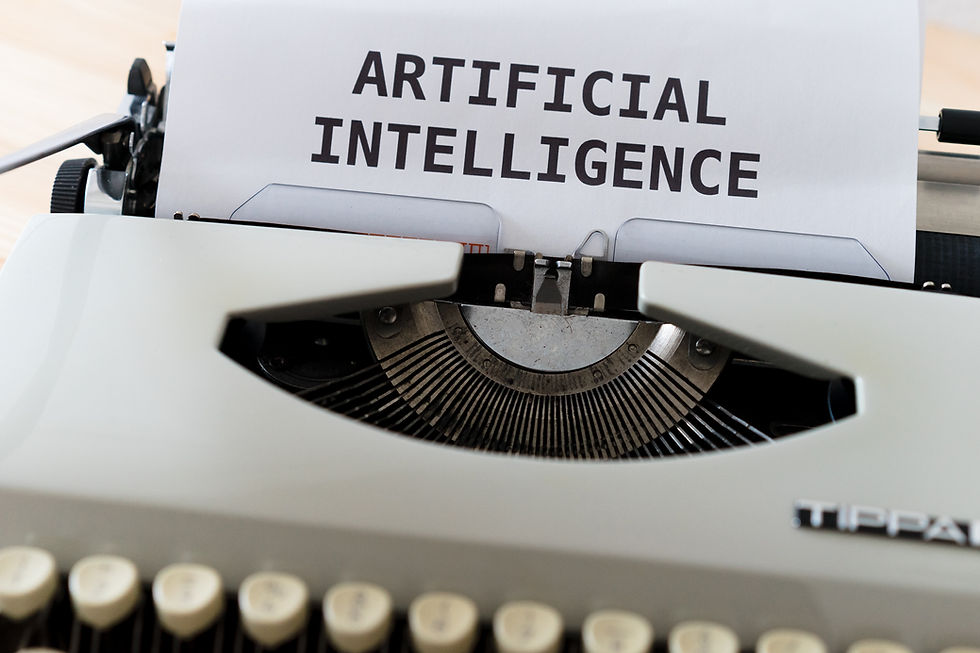
Artificial intelligence is rapidly finding its way into pastoral study habits. It can summarize texts, generate outlines, suggest illustrations, and even draft full sermons in seconds. Used responsibly, AI can function as a research assistant—similar to commentaries, lexicons, or digital libraries. Used carelessly, however, it presents serious spiritual, pastoral, and ethical concerns, especially when it replaces the preacher’s own engagement with Scripture.
The first danger is spiritual detachment from the Word. Preaching is not merely the delivery of biblical content; it is proclamation shaped by prayer, obedience, and submission to the text. When a sermon is produced primarily by AI, the preacher may stand before the congregation speaking words that have never searched the heart or confronted the soul. The struggle with Scripture—the slow reading, the wrestling with meaning, the silence before God—is not a burden to avoid but a means of grace. That struggle forms the preacher even as it forms the message. Without it, sermons risk sounding competent while lacking spiritual authority.

A second danger is generic or misplaced application. AI can produce broadly accurate insights, but it cannot know a congregation’s history, tensions, griefs, or spiritual maturity. Faithful preaching requires pastoral discernment—knowing when to press hard, when to speak gently, and when to wait. Application that is disconnected from real congregational life may unintentionally wound, confuse, or miss the moment entirely. Shepherding cannot be automated because care requires presence, listening, and relationship.
There are also serious ethical questions of integrity and trust. Congregations rightly assume that their pastor has prayed over the text and prepared the sermon with diligence. When a sermon is largely generated by AI and presented without meaningful personal engagement, the line between assistance and misrepresentation becomes thin. The issue is not whether tools are used, but whether the pastor has fulfilled the calling to study, discern, and proclaim. Preaching carries accountability not only to the congregation, but ultimately to God.

Another long-term danger is the erosion of pastoral vocation. The discipline of sermon preparation shapes theological depth, spiritual maturity, and pastoral wisdom over time. Short-circuiting that process may save hours in the present, but it weakens the preacher in the future. Reliance on AI can quietly replace habits of study with habits of dependence, dulling the very skills a pastor is called to cultivate. As Dallas Willard wisely observed, grace is not opposed to effort but to earning. Sermon preparation is not about earning God’s favor, but it does require faithful effort.
None of this means AI has no place in pastoral work. It can help organize thoughts, suggest background information, or prompt creative angles. Used humbly, it may even free time for prayer and pastoral care. But AI must remain a servant, not the author. The pastor’s task is to stand between the Word and the people—listening carefully to Scripture and attentively to the congregation.
Preaching is ultimately an act of faithfulness. It flows from a life shaped by the Word, not merely informed by it. That sacred calling cannot be outsourced, automated, or rushed without cost.


Comments